Golden Brain takes an unusual route to "brain support" — two prebiotic fibers, a plant sugar and spermidine, built on the gut-brain-axis idea. This is the honest version: what's promising, what's only theory, and what the label leaves out.
Golden Brain's four ingredients lean on gut-brain-axis theory and cellular maintenance, not classic nootropic herbs. It may offer prebiotic and general-wellness support — but the cognitive benefit is unproven (spermidine's largest memory trial was null), and no per-ingredient doses are disclosed.
No long herbal blend and no hype — a short, four-ingredient gut-brain idea, plus full transparency about what's proven and what isn't.
Baobab & konjac glucomannan are real soluble fibers with digestive benefits.
One capsule a day, no caffeine — easy to keep up.
Produced in a US, FDA-registered facility (registration is not FDA approval).
Unproven memory claims, a null spermidine trial, undisclosed doses — stated plainly.
Most brain supplements pile on herbs like bacopa or ginkgo. Golden Brain does the opposite: four ingredients, centred on gut health and cellular maintenance, marketed for memory and focus.
That's a legitimate, interesting idea — the gut-brain axis is real science. But "interesting idea" isn't the same as "proven memory pill." Buy it for what it actually is: prebiotic-fiber and general-wellness support with a hopeful cognitive angle.

Here's the honest mechanism — a plausible pathway that is still theory, not a proven memory effect.
Take one capsule with a meal and a full glass of water. Non-stimulant, simple, consistent.
Baobab fiber and konjac glucomannan are soluble prebiotic fibers that feed beneficial gut bacteria.
Those bacteria produce short-chain fatty acids, theorised to influence the brain — a plausible but unproven pathway.
Spermidine is studied for autophagy and longevity; any cognitive benefit is not established, and its biggest memory trial was null.

Before your first capsule:
Prices below are indicative of the official site at the time of writing. Always confirm the live price, shipping and guarantee at checkout.


Pricing for this family of products is often reported around $49–$89 per bottle depending on the package. Don't let a "best value" badge rush you — buy for your budget, and confirm the guarantee covers your package first.
Each ingredient is real and reasonably chosen. The honest catch: the cognitive link is mostly theory, and the individual doses aren't disclosed.
A soluble prebiotic fiber from the baobab fruit. Studied for feeding beneficial gut bacteria — a digestive effect. Its cognitive relevance rests on gut-brain-axis theory, not direct trials.
A naturally occurring plant sugar. Most research looks at how it blunts the blood-sugar response to sucrose — a metabolic angle. Direct cognitive evidence is limited and unclear.
A polyamine studied in longevity and autophagy (cellular cleanup) research. It has the most human data of the four — but the large SmartAge memory trial found no significant benefit.
A soluble fiber (from konjac root) with established prebiotic and digestive effects. Take with plenty of water — soluble fibers can pose a choking risk if swallowed with too little fluid.
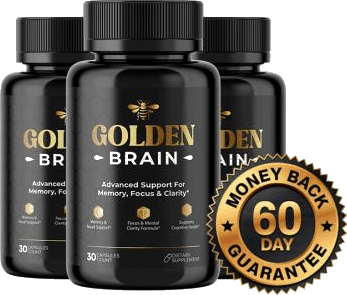
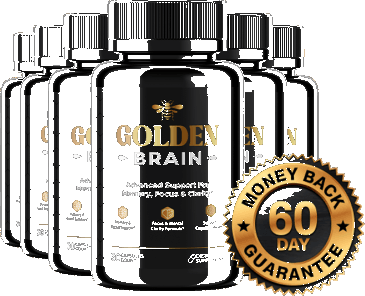
The official site advertises a 60-day money-back guarantee. That's a reasonable window — but read the fine print: it typically starts on the purchase date (not delivery), you may pay return shipping, and terms can vary by package. Confirm your exact package's coverage in writing before ordering.
Read the Refund DetailsFramed the honest way: "may support," because these are general-wellness ingredients and the finished formula hasn't been trialled for memory.
Baobab fiber and konjac glucomannan are soluble prebiotic fibers that feed beneficial gut bacteria — a real, digestive effect.
The theory: healthier gut bacteria produce short-chain fatty acids that may, in turn, influence the brain. It's a plausible pathway, still being studied.
Spermidine is studied for autophagy — the body's cellular cleanup process — mostly in longevity research rather than direct memory trials.
One capsule a day with a meal and water. Non-stimulant and easy to keep consistent.
L-arabinose is studied for blunting the blood-sugar spike from sugar — an interesting, if off-label-for-brain, property.
We tell you plainly what's proven (little, directly) and what's theory (most of it) so you buy with clear eyes.


Everyday adults looking for a simple daily wellness routine. The notes below are illustrative of common goals — not verified clinical outcomes.
"I take it as a simple daily habit with breakfast, no big expectations. I appreciated that this site was upfront about what's proven and what isn't."
"I asked for the Supplement Facts before buying since the doses weren't listed. Good habit — the ingredients are named but the amounts aren't."
"I always take it with a big glass of water because of the fiber, and I keep it away from my morning medication. Common-sense stuff."
The brand's own testimonials appear templated (one even referenced a different product name), and any star ratings are self-published, not independently verified. Photos are stock imagery representing everyday users, not identified customers. Individual results vary; this is not a substitute for medical care.
Honestly, that isn't proven. The benefit rests on gut-brain-axis theory, and spermidine — the most-studied ingredient — did not show a significant memory improvement in its largest trial (the SmartAge study, JAMA Network Open, 2022). Treat it as general wellness support, not a memory treatment.
Four ingredients: baobab fiber, L-arabinose, spermidine and konjac glucomannan. Two are prebiotic soluble fibers, one is a plant sugar, and one is a polyamine from longevity research. It's a narrower list than most brain formulas, and it skips classic nootropic herbs entirely.
Not in the usual sense. There's no bacopa, ginkgo, lion's mane or caffeine here. Instead it leans on a gut-brain-axis and cellular-maintenance idea. Whether that translates into noticeable cognitive benefit is unproven.
No. The four ingredients are named, but there's no published per-ingredient amount, so you can't compare them against studied doses. For reference, spermidine research typically uses roughly 0.9–3.3 mg per day — we simply don't know how much is in each capsule.
This Golden Brain product is a capsule — 30 capsules per bottle, one capsule daily with a meal. A few related brands sell a powder-and-water version of the same four-ingredient idea, so check exactly what you're ordering.
The ingredients are generally well tolerated, but take it with a full glass of water — soluble fibers like konjac glucomannan can be a choking hazard with too little fluid. Fibers can also slow medication absorption (separate timing), and L-arabinose can affect blood-sugar response. If you're on medication, pregnant, nursing or managing diabetes, ask your doctor first.
The official site advertises a 60-day money-back guarantee. Confirm the exact terms — and whether your package qualifies — in writing before ordering, and keep your receipt.
These references cover the individual ingredients and the gut-brain concept. They are not studies of the Golden Brain formula and do not imply it delivers the same results or a proven memory benefit.
🔒 Checkout is handled on the official site's secure server. This information site never processes payments.
Ready When You Are
If prebiotic-fiber and gut-brain support sounds worth a try — and you know the memory benefit is unproven — Golden Brain is reasonable to consider. Read the label, take it with water, confirm the guarantee, then choose.
Visit the Official Site